
Project Overview
Why Beyond Borders exists
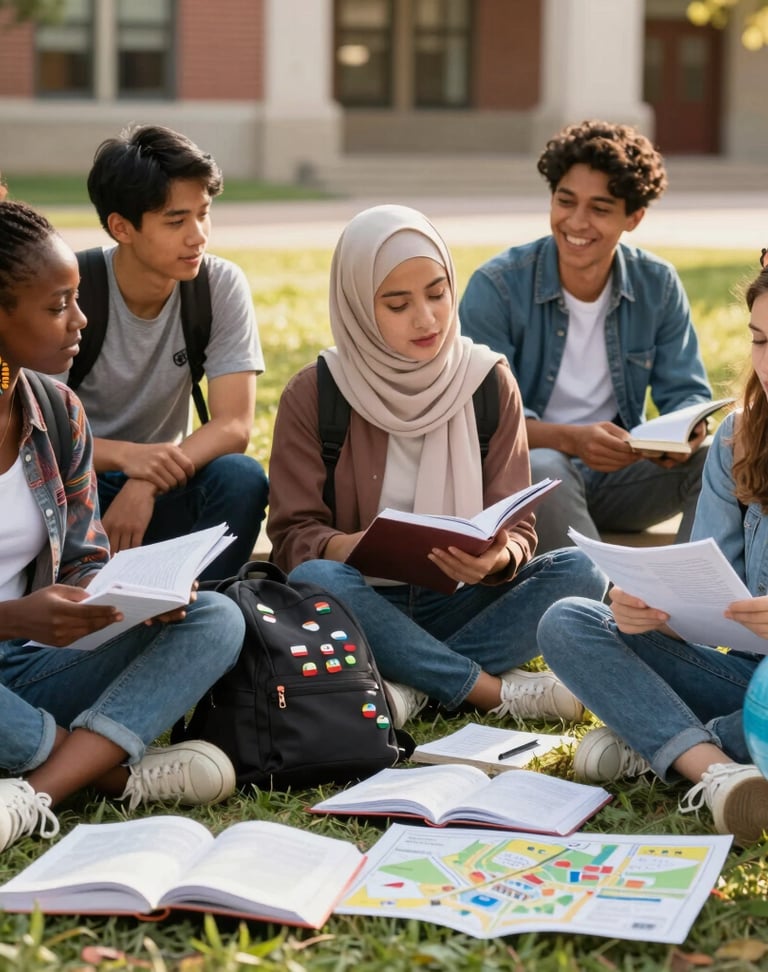
European universities are becoming increasingly diverse spaces, bringing together students and staff from different cultural, linguistic, and social backgrounds. While diversity is growing, many institutions still face challenges in ensuring that everyone can participate fully and feel included. Beyond Borders was created to support universities in moving from isolated diversity initiatives to systemic intercultural inclusion. The project brings together partners from Poland, Spain, Greece, and Germany to co-develop strategies, tools, and learning resources that help higher education institutions create more inclusive and welcoming environments for all.
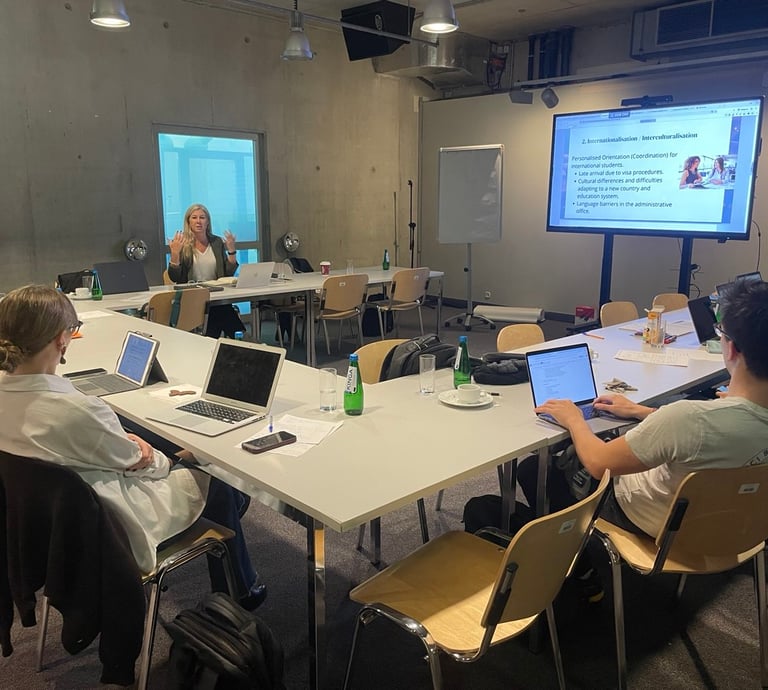
What interculturality means in higher education
Interculturality refers to a dynamic process of dialogue and interaction between people from different cultural backgrounds, based on mutual respect and equal dignity. It goes beyond simple coexistence: intercultural environments actively encourage exchange, reflection, and transformation within teaching, learning, and institutional practices. In universities, this means creating spaces where diverse perspectives shape discussions, teaching methods adapt to different needs, and institutions evolve by listening to the experiences of their communities.
Objectives & Approach
Key objectives
Beyond Borders aims to:
Strengthen intercultural competences among students, staff, and university leadership
Support universities in developing institutional strategies for inclusion and intercultural dialogue
Create practical tools and resources that help institutions implement inclusive practices
Foster collaboration between universities, communities, and international networks
The project focuses on moving from isolated actions to sustainable institutional transformation in higher education.
How the project works
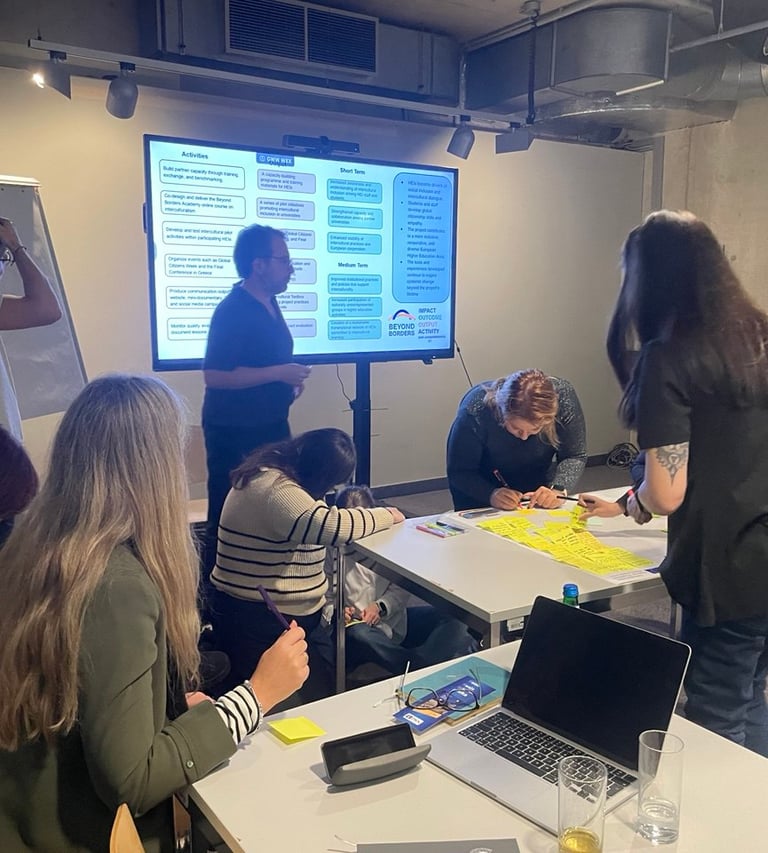
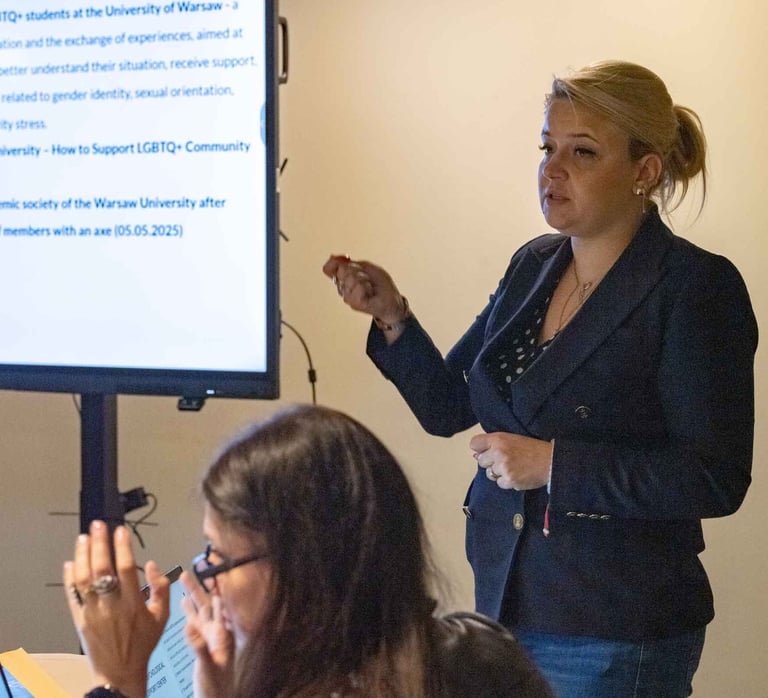
Beyond Borders is organised around three main phases:
1. Preparation and strategy
Analysis of current intercultural practices in universities
Exchange of good practices between partners
Development of tailored inclusion strategies for each institution
2. Implementation
Pilot initiatives and events within partner universities
Capacity building activities such as the Beyond Borders Academy
Testing new tools, policies, and practices that support intercultural inclusion
3. Quality, evaluation and dissemination
Monitoring progress and assessing impact
Sharing results through publications, the Intercultural Toolbox, and public events
Disseminating lessons learned across the European higher education community
Target Groups
Beyond Borders engages multiple actors within and beyond higher education.
Students
The project focuses particularly on students from culturally underrepresented or international backgrounds, ensuring that their voices and experiences are reflected in university policies, teaching practices, and campus life.
University staff and leadership
Academic staff, administrative teams, and university leaders are key actors in creating inclusive environments. The project supports them in developing intercultural competences, inclusive leadership practices, and institutional strategies.
External higher education institutions and stakeholders
Beyond Borders also aims to reach other universities, policymakers, community organisations, and international networks interested in strengthening intercultural inclusion in higher education.
Impact and Success Indicators
Beyond Borders seeks to contribute to long-term
institutional transformation in participating universities.
The project measures its impact through indicators such as:
Development of institutional strategies for intercultural inclusion
Participation of students and staff in training and pilot activities
Creation and use of practical resources such as the Intercultural Toolbox
Engagement with external stakeholders and higher education networks
Dissemination of results through events, publications, and digital platforms
By combining capacity building, pilot initiatives, and knowledge sharing, Beyond Borders aims to support universities in creating more inclusive, diverse, and intercultural academic communities.